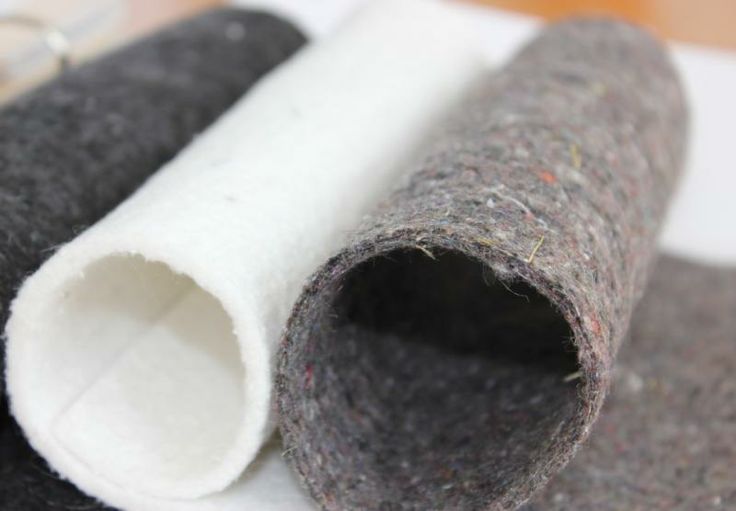
Geotextile
Geotextile
Category:
Waste facilities and environmental management equipment
This product is provided by the company YESTİ İNŞAAT VE TİC. LTD. ŞTİ. . Please contact for more information.
Product Description
Geotextiles are divided into two according to the production technique;
Nonwoven Geotextiles:It is a nonwoven (manufactured from unidirectional or randomly arranged fibers) layer, net or felt, in which polyester and/or polypropylene fibers are combined by needle punching method in order to provide economical and permanent solutions in civil engineering and especially soil mechanic problems. It is the most commonly preferred type of geotextile.
Woven Geotextiles:They are woven geotextiles used when high tensile strength is required. Woven geotextiles produced from various polymer materials (polypropylene, polyester, etc.) show high strength at low elongations, as they are produced by utilizing all the technical advantages of yarn. Even though the yarns are woven in two directions at right angles to each other, the material exhibits significant diagonal strength due to friction and winding between the yarns.
Functions;
1. Reinforcement: Thanks to its high resistance and high friction coefficient on the earth layer, by taking a portion of the load on the soil on itself, it provides a more uniform weight distribution over the surface. Thus, deformations as dispersion, cracking, and collapse are prevented.
2. Separation: As a result of the continuity, flexibility, permeability, and resistance to high tensile forces, geotextiles separate two soil layers with different geotechnical properties without interfering with the natural circulation of water.
3. Protection: Geotextile provides the desired protection on the material by reducing or spreading the deformation and stress.
4. Filtration: Geotextile allows the passage of water and prevents the passage and dragging of the soil with the smallest grain diameter. Thus, it acts as a filter.
5. Drainage: The geotextile transmits the liquid or gas along its plane to the desired outlet, especially when they are porous and provide sufficient slope. During this transmission, the liquid or gas is collected within the geotextile and transferred within its own plane.
Application Areas;
Building Foundation Waterproofing
Road and Highways, Bridges, Viaducts
Tunnels and Railways
Engineering Structures
Sport Arenas
Parking Areas
Airports
Mine Heap Leach Facilities
Mine Tailing Storage Facilities
Mining Solution Ponds
Sediment Ponds
Landfills
Ash Monofil Hazardous Waste Landfills
Hazardous Waste Storage Ponds
Thermal Power and Bioenergy Facilities
Oil and Petrochemistry Facilities
Sewage Treatment Facility
Sewage Lagoons
Evaporation and Brine Ponds
Agriculture Ponds
Aquaculture Ponds
Water Canals
Infrastructure
Artificial Ponds
Swamp Rehabilitation Works
Fire Supression Ponds
Other Products of the Company
See All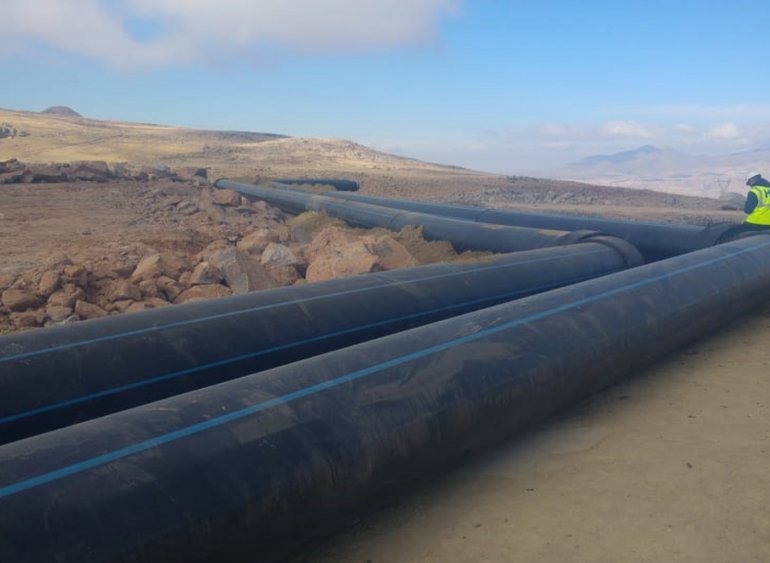
HDPE Pipe
HDPE Pipe
Geomembrane
Geomembrane
Geonet
Geonet

Conductive Geotextile
Conductive Geotextile
Similar Products
See All
HDPE Pipe
HDPE Pipe
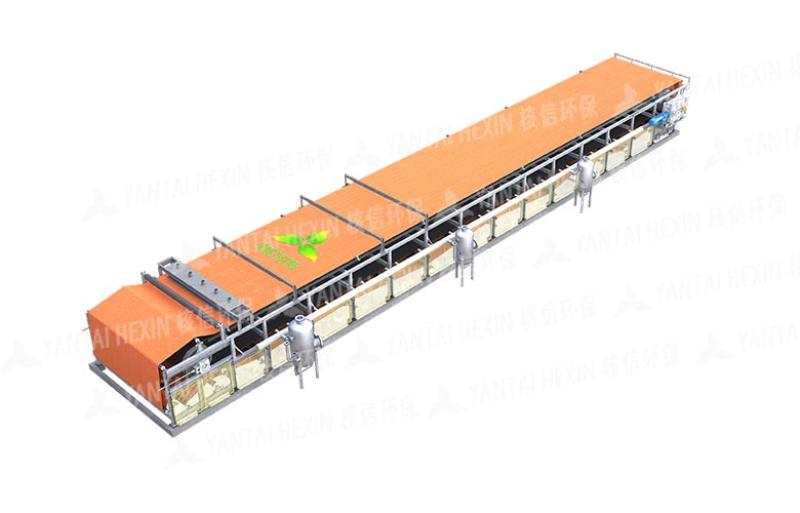
BF Horizontal Vacuum Belt Filter
Vacuum Belt Filter
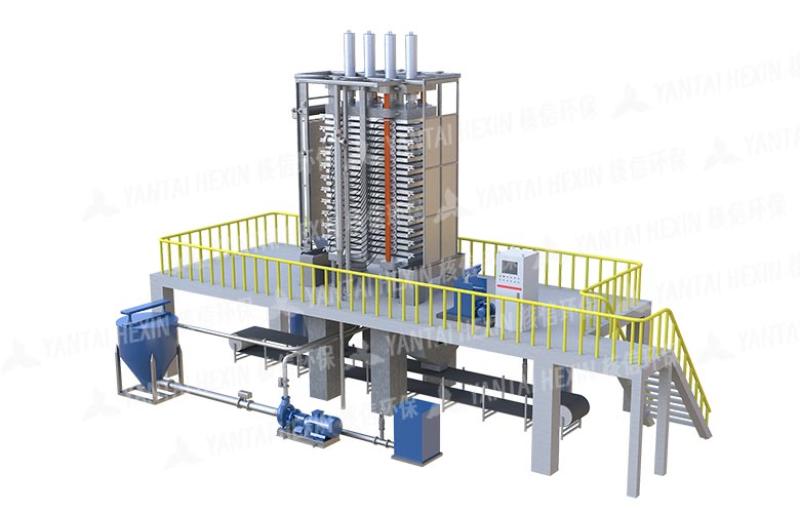
TFP Vertical Automatic Pressure Filter