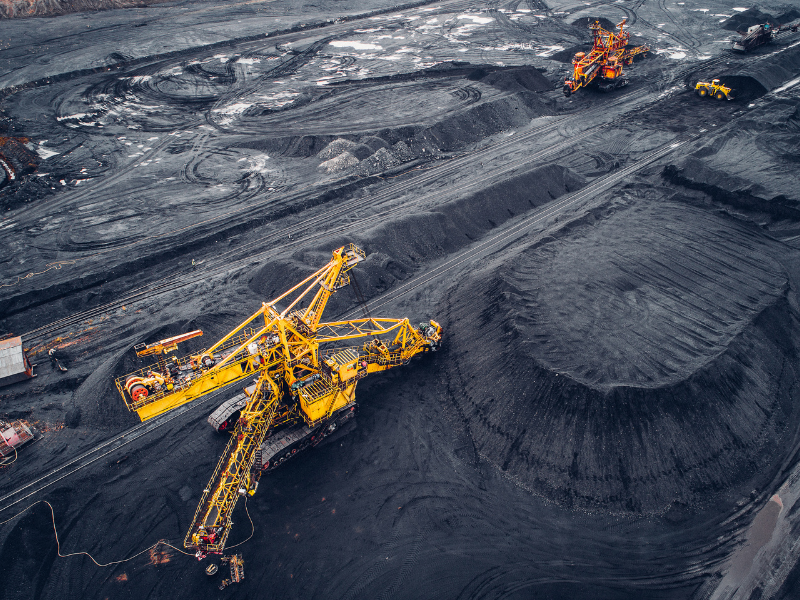
Every nation has its own mineral resources. This results in forming regulations about the waste elimination during the mining operations.
The Mining Waste Regulation is a legal framework designed to ensure that waste generated during mining operations is handled in a way that protects both the environment and human health. In Türkiye, this regulation clearly defines how mining waste should be classified, stored, transported, recovered, and safely disposed of. The rules outlined in the regulation help mining companies operate in a manner that is both environmentally responsible and compliant with legal requirements. Topics related to mining waste management and environmental compliance will also be discussed at Mining Türkiye Fair 2026. During the event, visitors will have the opportunity to explore solutions for mining waste management, sustainable and environmentally responsible mining practices, and new technological equipment developed to meet regulatory standards. If you would like to attend one of the most comprehensive mining events and discover the latest developments in the sector, and see our online ticket options now.
General Provisions on Mining Waste Management
The mining waste act establishes general principles to ensure that mining waste is managed in a way that protects both the environment and public health. During the temporary storage, transportation, and processing of mining waste, operators must apply methods that do not create risks for water resources, air quality, soil, plants, animals, or people. Activities related to waste handling should also avoid disturbances such as excessive noise, vibration, or odor and should aim to minimize negative impacts on the natural environment.
The regulation strictly prohibits disposing of mining waste in natural receiving environments such as soil, seas, lakes, or rivers. Using mining waste directly as fill material or depositing it in ways that could cause environmental pollution is not permitted. Waste management practices must follow sustainable development principles and prioritize the use of the best available techniques and technologies.
Recovery or disposal of mining waste can only be carried out by authorized and licensed facilities. Unauthorized individuals or organizations are not allowed to process or dispose of such waste. In addition, mining waste cannot be mixed with other types of waste that are unrelated to mining activities or that may chemically react with each other in the same storage facility. To support safer storage and extend the operational life of disposal facilities, priority is given to processes that reduce the moisture content of waste, such as dewatering or drying, before it is stored.
The Characterization of Mining Waste
Under the mining waste act, mining waste is generally grouped into three main categories: hazardous waste, non-hazardous waste, and inert waste. Determining the characteristics of these wastes must be carried out by authorized institutions that hold environmental consultancy or Environmental Impact Assessment (EIA) competence certificates. The classification process follows specific criteria defined in the regulation. A list of materials that are considered inert mining waste is also provided within the regulatory framework. If a type of waste is not included in this list, it can only be classified as inert after meeting the required technical criteria. In some cases, the Ministry may also request additional analysis or verification studies to confirm whether certain mining wastes truly meet the standards defined for inert waste.
Classification of Mining Waste Disposal Facilities
According to the mining waste regulation, facilities designed for the disposal of mining waste are divided into two main categories: Category A and Category B. This classification is determined based on the criteria outlined in the regulation. Authorized organizations that hold Environmental Impact Assessment (EIA) or environmental consultancy certificates are responsible for evaluating and assigning the appropriate category to each facility. The classification process focuses on the characteristics of the waste storage site and the potential environmental impact of the disposal facility.
Leakage Prevention Systems in Mining Waste Storage Facilities
The mining waste regulations also set strict technical requirements for facilities where mining waste is stored. Before construction, detailed geological and hydrogeological assessments must be conducted to understand the permeability and transmission properties of the rocks and soil in the planned area. Storage facilities must include protective layers at the base and sidewalls to prevent leachate from contaminating groundwater. If natural impermeable layers are not present in the area, engineered barriers must be created. These barriers should provide physical and chemical properties similar to clay-based materials. Clay minerals used for this purpose are typically sourced from drilling or excavation activities within the mining license area whenever possible. For facilities storing hazardous mining waste, stronger protection is required. In such cases, a compacted clay layer with specific thickness and permeability standards is installed and reinforced with high-density polyethylene (HDPE) geomembranes. Additional protective materials, such as natural layers or geotextiles, are placed above the membrane to ensure long-term durability and environmental safety.
Mining Waste Management Plan
The regulation requires every mining operation to prepare a mining waste management plan that explains how mining waste will be handled, stored, and monitored. This plan must be prepared either by the operator or by authorized institutions that hold Environmental Impact Assessment (EIA) or environmental consultancy certificates. The document is submitted to the Ministry or the relevant provincial authorities as part of the Environmental Impact Assessment process, together with the EIA report or project introduction file. If there are any changes in the operation of the facility or in the way mining waste is managed, the waste management plan must be updated and resubmitted to the authorities for review.
Mining Türkiye Fair 2026 is an important meeting point that brings together leading professionals in the mining industry, especially those working on mining waste management and environmentally responsible mining practices. At the event, visitors can learn more about waste management solutions, waste storage facilities, and environmental management equipment used in the sector. The trade fair also offers the opportunity to explore modern waste storage systems and recycling technologies developed for the mining industry. By attending, you can stay informed about the latest approaches that support both regulatory compliance and environmentally responsible mining operations. If you would like to take part as an exhibitor and connect with potential partners and customers from both Türkiye and international markets, take the first step to become an exhibitor now.