Quarry Operations: Definition, Processes and Industry Value
Working in or around a quarry requires heavy duty, from extracting rocks to transporting the materials. In this post, it is aimed to give the answer to the question "What is a quarry?" and how a quarry works. Also, to witness the machinery and equipment used in quarrying are exhibited at Mining Türkiye Fair 2026 on 8-11 April 2026 for those who want to see the products up close and meet the industry leaders and mining manufacturers in person. Do not forget to see our online ticket options to secure your place at the event!
What Is a Quarry?
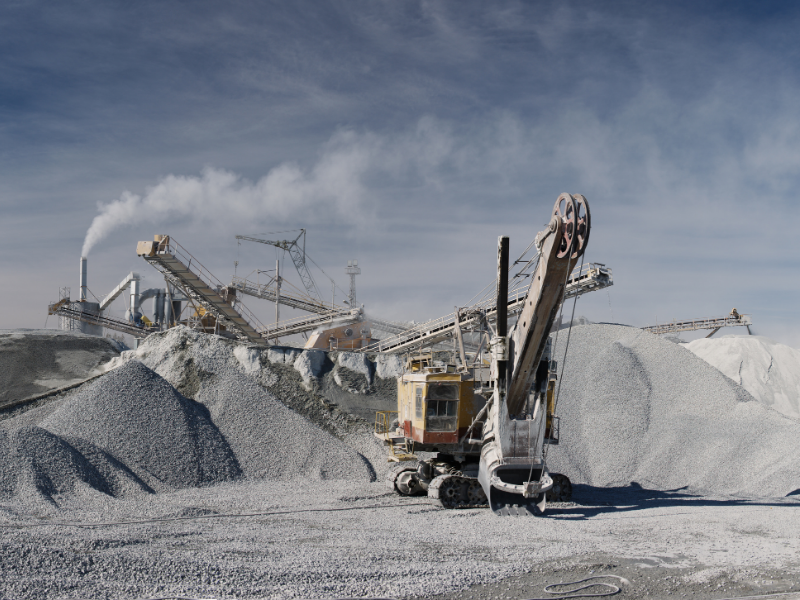
A quarry is a type of open-pit mine where natural stones, rocks, sand, gravel, or minerals are extracted from the earth. These materials are widely used in construction, road building, cement production, and various industrial applications. Quarry operations usually take place above ground, which makes them different from underground mining activities. In most quarry operations, large rock formations are first drilled and sometimes blasted to break them into manageable pieces. After that, heavy machinery such as loaders, excavators, and dump trucks transport the extracted materials to crushing and screening plants. At these plants, the rocks are processed into different sizes so they can be used in construction and other industries. Quarries play an important role in supplying raw materials that support infrastructure development and industrial production. For those who want to explore the technologies used in modern quarry operations, Mining Türkiye Fair 2026 provides the opportunity to see advanced equipment, meet manufacturers, and learn more about the latest innovations in the mining and quarrying industry. Visitors can also experience the real world of mining by attending the Interactive Mining Experience Zone at the event.
How Does a Quarry Work?
Quarry operations include different stages such as opening the pit, extracting the rocks and minerals, crushing the rocks, and transporting the materials. Around this quarry operations plan, different types of machinery and equipment are used to ensure that materials are extracted and processed safely and efficiently.
In the first stage, the quarry site is prepared, and the surface layers are removed to reach the rock formation. Then drilling and sometimes controlled blasting are carried out to break the rock into manageable pieces. After extraction, the rocks are transported to crushing and screening plants. There, they are processed into different sizes depending on their intended use. Finally, the processed materials are loaded onto trucks or conveyor systems and delivered to the relevant facilities. Each step in quarry operations is carefully planned to maintain safety, efficiency, and consistent material quality.
Opening Stage
The first step in quarry development is known as the quarry opening. During this stage, the site is prepared so that rock layers can be accessed safely. Workers remove soil, vegetation, and other surface materials that cover the rock deposit. Access roads, working platforms, and safety zones are also created to allow heavy machinery to operate within the quarry area. Proper planning in this stage is important because it determines how efficiently the rest of the quarry operations will run.
Extracting Stage
After the quarry has been prepared, the next step is the extraction of rocks and minerals. Many people ask how to get to the quarry materials once the site is opened. In this stage, drilling machines create holes in the rock formation and controlled blasting may be used to loosen large rock masses. Excavators and loaders then collect the broken rocks and move them to the next processing area. The goal of this stage is to separate usable materials from the rock formation in a safe and controlled way.
The Primary and the Secondary Crushing Stage
Once the raw rock is extracted, it must be reduced into smaller pieces before it can be used. In the primary crushing stage, large rocks are fed into heavy-duty crushers that break them into smaller fragments. After this first reduction, the materials move to the secondary crushing stage where additional crushers further reduce the size and prepare the material for screening. These stages help produce stones, aggregates, or minerals in the sizes required by construction and industrial projects.
You can also read“Recent Innovations in Crushing and Screening Technologies” to be informed about the topic.
Transportation Stage
The final step in quarry operations is the transportation of the processed materials. After crushing and screening, aggregates and minerals are transferred using conveyor belts, dump trucks, or loaders. These materials are then delivered to construction sites, cement plants, or storage areas depending on the project needs. Efficient transportation systems are essential in quarry sites because they ensure that materials move quickly and safely from the quarry to their final destination.