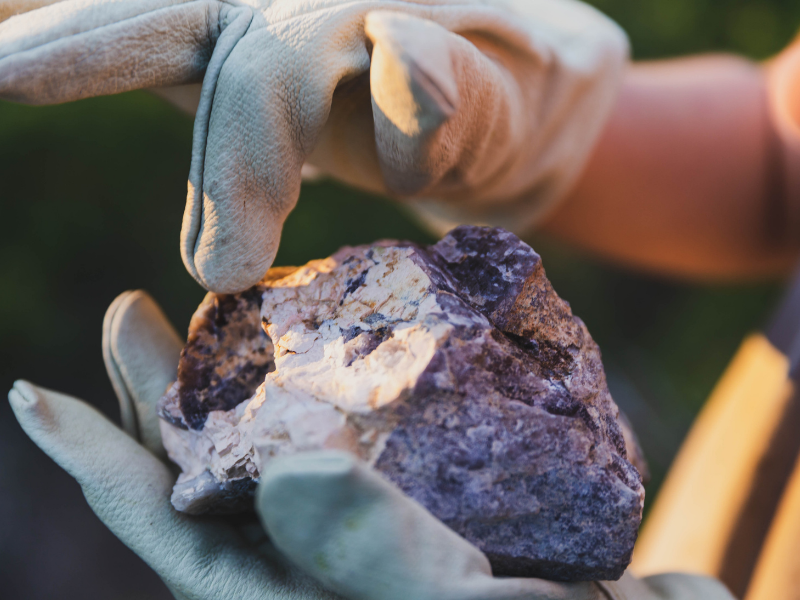
Critical minerals are at the heart of today’s industrial transformation, powering everything from renewable energy systems to advanced electronics and defense technologies. As global demand accelerates, understanding what critical minerals are and why they matter has become essential for governments, investors, and industrial stakeholders. At Mining Türkiye Fair 2026, industry professionals can explore how these strategic resources shape supply chains, technological innovation, and the future of sustainable industrial development worldwide. Reading further, you can find the right answers to "What are critical minerals?" and more!
What Are Critical Minerals?
The critical mineral definition refers to natural resources that are essential for key industrial sectors and advanced technologies but face significant supply risk. In simple terms, critical minerals are raw materials that modern economies cannot function without, but their production is often concentrated in a limited number of countries. This combination of high economic importance and potential supply disruption is what makes them “critical.” These minerals play a central role in energy transition, digital transformation, defense systems, aerospace technologies, and heavy industry applications. They are widely used in batteries, electric vehicles, wind turbines, solar panels, semiconductors, and communication infrastructure. Although the list of critical minerals may vary by country or region, the underlying principle remains the same: they are strategically important for economic stability, technological advancement, and national security. Understanding critical minerals is therefore essential for industry leaders, policymakers, and investors operating in the global mining and industrial ecosystem.
Among the most frequently cited critical minerals worldwide are:
- Lithium
- Cobalt
- Nickel
- Graphite
- Rare Earth Elements (REEs)
- Copper
- Manganese
- Platinum Group Metals
- Tungsten
These minerals are widely used in electric vehicle batteries, renewable energy infrastructure, advanced electronics, aerospace components, and heavy industry applications. As global industries accelerate electrification and digital transformation, demand for these materials continues to rise. However, the list of critical minerals is not universal. Different countries and regions define their own lists based on economic priorities, industrial capacity, domestic reserves, and geopolitical considerations. A mineral that is abundant in one country may not be considered critical there, while the same resource may be strategically vital for another nation that depends heavily on imports.
What Are Critical Minerals Used For?
As shortly mentioned above, critical minerals are primarily used in high-technology, energy, and heavy industry applications that form the backbone of modern economies. These materials are essential for manufacturing electric vehicle batteries, energy storage systems, wind turbines, and solar panels, making them central to the global energy transition. Lithium, cobalt, nickel, and graphite, for example, are key components in rechargeable battery technologies that power electric mobility. Beyond renewable energy, critical minerals are widely utilized in semiconductors, advanced electronics, telecommunications infrastructure, and aerospace engineering. Rare earth elements are indispensable in high-performance magnets used in electric motors and defense systems, while platinum group metals play a vital role in catalytic converters and hydrogen technologies.
Why Are Critical Minerals Important for Global Industries?
Why are critical minerals important? Because they form the foundation of modern manufacturing, advanced technologies, and energy infrastructure. From electric vehicles and renewable power systems to aerospace components and high-performance electronics, these minerals enable large-scale industrial production and innovation. Many strategic sectors depend on a stable and secure supply of lithium, rare earth elements, copper, nickel, and platinum group metals. Without these materials, the development of batteries, semiconductors, wind turbines, data centers, and defense systems would slow significantly. In addition to their technological relevance, critical minerals are directly linked to supply chain security and economic competitiveness.
Future Outlook: Sustainable Mining and Recycling
The future of critical minerals will be shaped not only by rising demand, but also by how responsibly these resources are extracted, processed, and recovered. As industries focus on electrification and energy transition projects, sustainable mining practices have become a strategic priority. Reducing carbon emissions, optimizing water usage, improving energy efficiency, and minimizing environmental impact are now essential performance indicators for mining companies worldwide.
At Mining Türkiye Fair 2026, visitors will have the opportunity to explore advanced technologies that support sustainable mining and efficient mineral processing. From energy-efficient crushing and screening systems to waste management solutions and recycling technologies, the trade fair highlights innovations designed to strengthen supply security while reducing environmental footprint. Exhibitors will also present digital monitoring systems and smart production tools that enhance operational transparency and long-term resource management. As global demand for lithium, rare earth elements, copper, and other strategic minerals continues to grow, responsible production and material recovery will play a defining role in the industry’s future. Mining Türkiye Fair 2026 serves as a key meeting point for stakeholders seeking sustainable solutions, strategic partnerships, and next-generation technologies in the critical minerals ecosystem. Remember to see the online ticket options to be a visitor in Mining Türkiye Fair 2026!